
PSA Grading Cost: What It Costs to Grade a Pokémon Card in 2026
PSA grading costs $59.99 per card at its cheapest open level, Standard, as of October 20, 2026, with a 90 to 100 business-day estimate and cards worth up to $1,000. Faster levels run from $79.99 to $599. Add return shipping from $19.99 per order and your own postage to PSA, and one modern Pokémon card costs about $80 to grade. PSA's cheaper Value tiers are paused.
The demo is free with no sign-up. Godpack packs hold one real card each, from $1, including PSA and CGC slabs that are already graded.
| Service level | Price per card | Max value | Turnaround |
|---|---|---|---|
| Standard | $59.99 | $1,000 | 90–100 days |
| Priority | $79.99 | $1,500 | 70–80 days |
| Express | $199 | $2,500 | 20–30 days |
| Super Express | $349 | $5,000 | 10–15 days |
| Premier | $599 | $10,000 | 7–10 days |
| Value tiers (Value Bulk to Value Max) | Paused | ||
Max value is PSA's maximum insured value per card. Turnaround is PSA's estimate and not guaranteed. Cards worth more than $10,000 go through PSA's premium options. Prices change; check psacard.com before you submit.
PSA (Professional Sports Authenticator) checks that a card is genuine, grades its condition from 1 to 10, and seals it in a tamper-evident plastic case with a label showing the grade and a certification number. A PSA 10 is Gem Mint. The grading fee is charged per card, whatever grade the card gets.
How much does PSA grading cost?
Since September 2026, PSA's open levels start with Standard at $59.99. PSA introduced Standard as a lower price point while its four Value tiers stay paused, and Standard orders are processed after existing Value and Bulk orders. In the same update PSA renamed Regular to Priority ($79.99) and Walk-Through to Premier ($599), and raised Express to $199 to protect its 20 to 30 business-day estimate.
Your declared value decides the level. PSA uses the value you declare for each card to set the service level and the insurance, and each level has a maximum. Declare what the card should be worth once graded, not what you paid for it raw: a card that comes back worth more than its level allows can be moved up and billed the difference, which collectors call an upcharge.
How much does it cost to get a card graded? PSA vs CGC vs BGS vs TAG
| Company | Cheapest open level | Other levels |
|---|---|---|
| PSA | Standard: $59.99, up to $1,000, 90–100 business days | $79.99 to $599; Value tiers paused |
| CGC | Bulk: $17, up to $500, 25-card minimum, 150 working days. Economy: $20, up to $1,000, 90 working days | Standard $55 (10 days), Express $100 (5 days), WalkThrough $300 (2 days) |
| Beckett (BGS) | Express: $79.95, 15 business days, with subgrades | Base ($14.95 / $17.95), Standard ($34.95) and Priority ($124.95) sold out |
| TAG | Base: $39.95, up to $500, 5-card minimum, 60 business days | Standard $59.95, Priority $79.95, Express $149.95, Premier $299.95; no value upcharges |
US prices per card, before shipping. CGC's Associate and Premium members save 10% on grading and Elite members 20%. Turnaround times are each company's estimates.
For a modern Pokémon card worth under $1,000, CGC Economy is the cheapest single-card option at $20, a third of PSA Standard. Resale prices differ by company and by card, so compare sold prices at each grader before choosing: in Godpack's packs on October 20, 2026, a CGC 10 Mega Gardevoir ex 178/132 was valued at $350 and a PSA 10 at $332.02.
Shipping, insurance and membership costs
| Cards in the order | Insured up to $2,000 | Up to $12,500 |
|---|---|---|
| 1–4 | $19.99 | $34.99 |
| 5–9 | $24.99 | $39.99 |
| 10–19 | $29.99 | $44.99 |
| 20 or more | +$0.39 per item on PSA's chart | |
- Shipping to PSA: you pay your own postage and should insure it. PSA's return fee covers the trip back with PSA's insurance and a signature on delivery.
- Your own carrier account: PSA lets you use your own FedEx account for returns, but then you insure the package yourself. CGC adds a $4 fee per shipment when you use your own account.
- PSA Collectors Club: $149 a year (Standard) or $199 a year (Premium, which adds Card Ladder Pro). Its grading perks, bulk access and member specials, are paused, so it saves nothing on a grading order today. It renews automatically.
Worked examples: the total cost to grade one card and five cards
One modern card
A raw Mega Greninja ex 116/086 had a TCGplayer market price of $127.82 in October 2026, and a PSA 10 copy is valued at $380 in Godpack's packs, inside Standard's $1,000 limit. Standard grading at $59.99 plus $19.99 return shipping comes to $79.98, plus your postage to PSA, and about 90 to 100 business days.
Five modern cards
Five cards at Standard cost 5 × $59.99 = $299.95, plus $24.99 return shipping for five to nine cards: $324.94, or about $65 a card, plus your postage. At four cards the return fee is still $19.99, so the fifth card adds $64.98.
A card worth more than $1,500 graded
A PSA 10 Charizard ex 199/165 is valued at $1,601 in Godpack's packs, above Priority's $1,500 limit, so it belongs in Express: $199 plus $19.99 return shipping, $218.99. A PSA 10 Mega Charizard X ex 125/094, valued at $1,626.16, lands in the same tier.
When is PSA grading worth it?
Grading pays when the jump to a PSA 10 is much bigger than the fee, and when you have a fair chance at the 10. A PSA 9 is often worth about the same as a clean raw copy, so a 9 usually loses you the grading fee.
| Card | Raw | If PSA 10 | If PSA 9 |
|---|---|---|---|
| Mega Greninja ex 116/086 | $127.82 | $380: +$172.20 | $155: −$52.80 |
| Mega Gardevoir ex 178/132 | $171.05 | $332.02: +$80.99 | $175: −$76.03 |
| Articuno 161/159 | $15.31 | $210: +$114.71 | Not in data |
| Mega Charizard X ex 109/094 | $20.04 | $118: +$17.98 | Not in data |
| Glaceon ex 150/131 | $257.53 | Not in data | $245: −$92.51 |
Gain or loss = graded value − raw price − $79.98. It leaves out your postage to PSA and the fees you would pay to sell. Prices are snapshots and not guaranteed.
Work out the break-even chance before you send a card. Mega Greninja ex pays off if it has better than about a 1 in 4 chance of a 10, counting a 9 as the other outcome. Mega Gardevoir ex needs nearly an even chance, because its PSA 9 is worth only $4 more than raw. A $20 card like Mega Charizard X ex 109/094 barely covers the fee even as a 10.
The grade odds caveat
No grading company publishes the chance that a given card will get a 10. Pack-fresh cards still come back 9 or lower for off-center borders, print lines, whitening or surface scratches you may not notice. PSA's free Population Report shows how many copies of a card have received each grade, but people mostly send in their best copies, so treat it as a rough guide. Check your card under a bright light before you pay to find out.
To value the card first, see how to check what your Pokémon card is worth.
How to submit cards to PSA
- Pick the cards worth grading. Choose cards whose PSA 10 price is well above the raw price plus the grading cost, and check each one for whitening, scratches and off-center borders first.
- Choose a service level. Pick the level whose maximum insured value covers what each card should be worth once graded. In October 2026 the cheapest open level is Standard at $59.99 per card, up to $1,000.
- Build the submission online. Create the order in PSA's Online Submission Center or the PSA app, list each card and its declared value, and pay the grading and return shipping fees.
- Pack and ship the cards. Protect each card in a sleeve and a rigid holder, pack them so they cannot move, and ship them insured and tracked to the address on your order, or hand them in at a PSA submission event.
- Track the order and get your grades. Follow the order online or in the PSA app. Grades appear online before the slabs ship back to you.
The alternative: open a pack with a slab already in it
Grading takes months and costs the same whether your card gets a 10 or a 7. Godpack packs skip that step: each pack holds one real Pokémon card, a Near Mint raw card or a PSA or CGC slab that is already graded, and every card shows its market value before you open. Browse the Pokémon slabs in Godpack's packs.
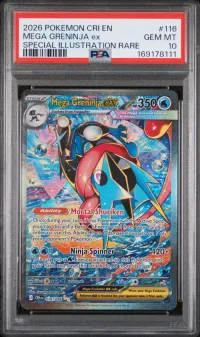
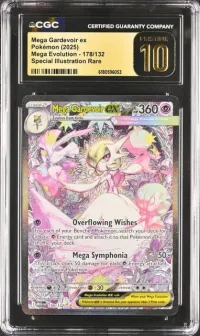
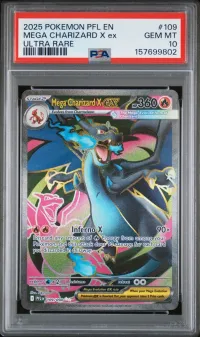
Godpack's live pack contents on October 20, 2026. Each slab is a single copy and can be pulled at any time.
- Prices: Starter $1, Trainer $10, Arena $25, Ultra $50, Master $100; the demo is free.
- Shipping: $5 per card in the US, $10 to Canada. Ship any time within 7 days while the card is in your vault; after that it sells back automatically.
- Selling back: card value minus a 5% fee, lower for VIP members.
Every pack is set to a 100% expected return, so the average card across the pool is worth the pack price, but any single pack can be worth more or less than you paid, and most pulls land in the lower tiers of the odds table.
Real packs are for people 18 or older, or the age of majority where you live if higher. Open them for collecting and fun, not to make money.
FAQ
How much does PSA grading cost?
As of October 20, 2026, PSA charges $59.99 per card at Standard, $79.99 at Priority, $199 at Express, $349 at Super Express and $599 at Premier. Its cheaper Value tiers are paused.
How much does it cost to get a card graded?
About $80 for one card at PSA Standard including $19.99 return shipping, plus your postage to PSA. CGC Economy costs $20 per card and TAG Base $39.95 with a five-card minimum, before shipping.
How long does PSA grading take?
PSA estimates 90 to 100 business days for Standard, 70 to 80 for Priority, 20 to 30 for Express, 10 to 15 for Super Express and 7 to 10 for Premier. These are estimates, not guarantees.
Are PSA Value and Bulk grading still available?
No. PSA's Value tiers were paused in 2026 and were still paused on October 20, 2026; Standard at $59.99 is the cheapest open level.
Do I need a PSA Collectors Club membership?
It costs $149 or $199 a year, and its grading perks, bulk access and member specials, are paused. Right now it does not lower the cost of a grading order.
Is it worth getting a Pokémon card graded?
Only when the PSA 10 price is well above the raw price plus about $80 in costs, and the card has a real chance at a 10. A PSA 9 is often worth about the same as a raw copy, so a 9 usually loses the fee.
Is CGC cheaper than PSA?
Yes. CGC Economy is $20 per card for cards worth up to $1,000, against $59.99 for PSA Standard. Resale prices differ by grading company, so compare sold prices for your card before choosing.
Related pages
- Pokémon card valueHow to check what your card is worth.
- Pokémon slabsPSA and CGC slabs in Godpack's packs.
- Most expensive Pokémon cardsThe record sales, most of them graded.
- How Godpack's odds workPublished odds and the 100% expected return.
Pull a slab instead of waiting for one
Every Godpack pack lists its full odds before you open. Start with the free demo or a $1 pack.